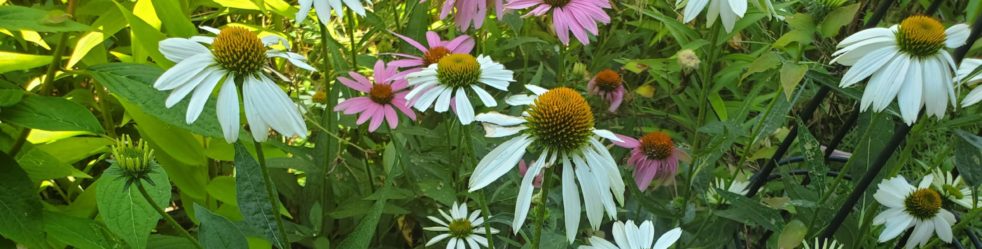
Mason Bees, the Hardest Working Bees for your Vegetable Garden
How can Mason bees save our food supply and our edible gardens? Bee-hold the answer- Mason bees. The female mason bees do most of the pollination. Each gentle, solitary Mason bee pollinates an estimated 99% of the flowers it visits. That adds up to 2,000 flowers a day! Compare that to a Honeybee which only successfully pollinates about 15 flowers a day. That Mason bee is one industrious and efficient pollinator!
Mason bees are one of those first pollinators of Spring, long before butterflies and honeybees arrive, or are active. The male mason bees (who do not have a stinger) usually emerge from their nests when temperatures are approximately 50-65 degree. If you have any Stone fruit in your yard, accommodating the Mason bees can significantly increase your harvest of cherries, plums and peaches.
To attract Mason bees to your garden or orchard, simply provide them early in Spring with the basics:
- Water
- Food
- Shelter
- Mud or Clay
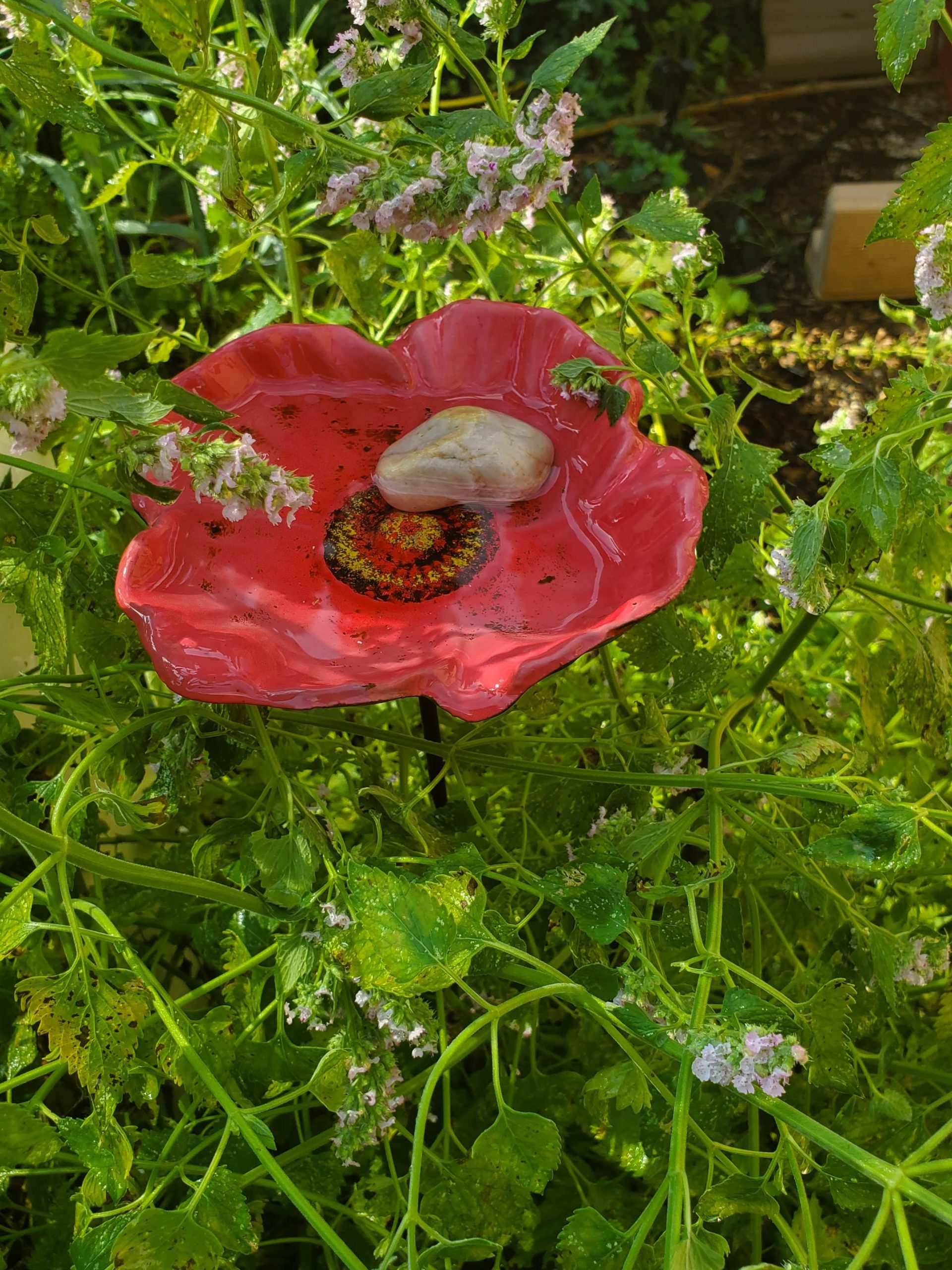
To provide water for your Mason bees and other pollinators as well, simply fill a shallow bowl or a saucer with water. Add some light colored rocks or pebbles to the bottom so that the Mason bees and other pollinators have a perch for them to drink from. Try to provide water at different levels in your garden. Not all insect like landing on the ground. I converted an old bird seed feeder to a drinking spot for the bees and other insects. If money is no object you can purchase a butterfly puddler just for this purpose. Place it no more than 50 feet away from her nest site.
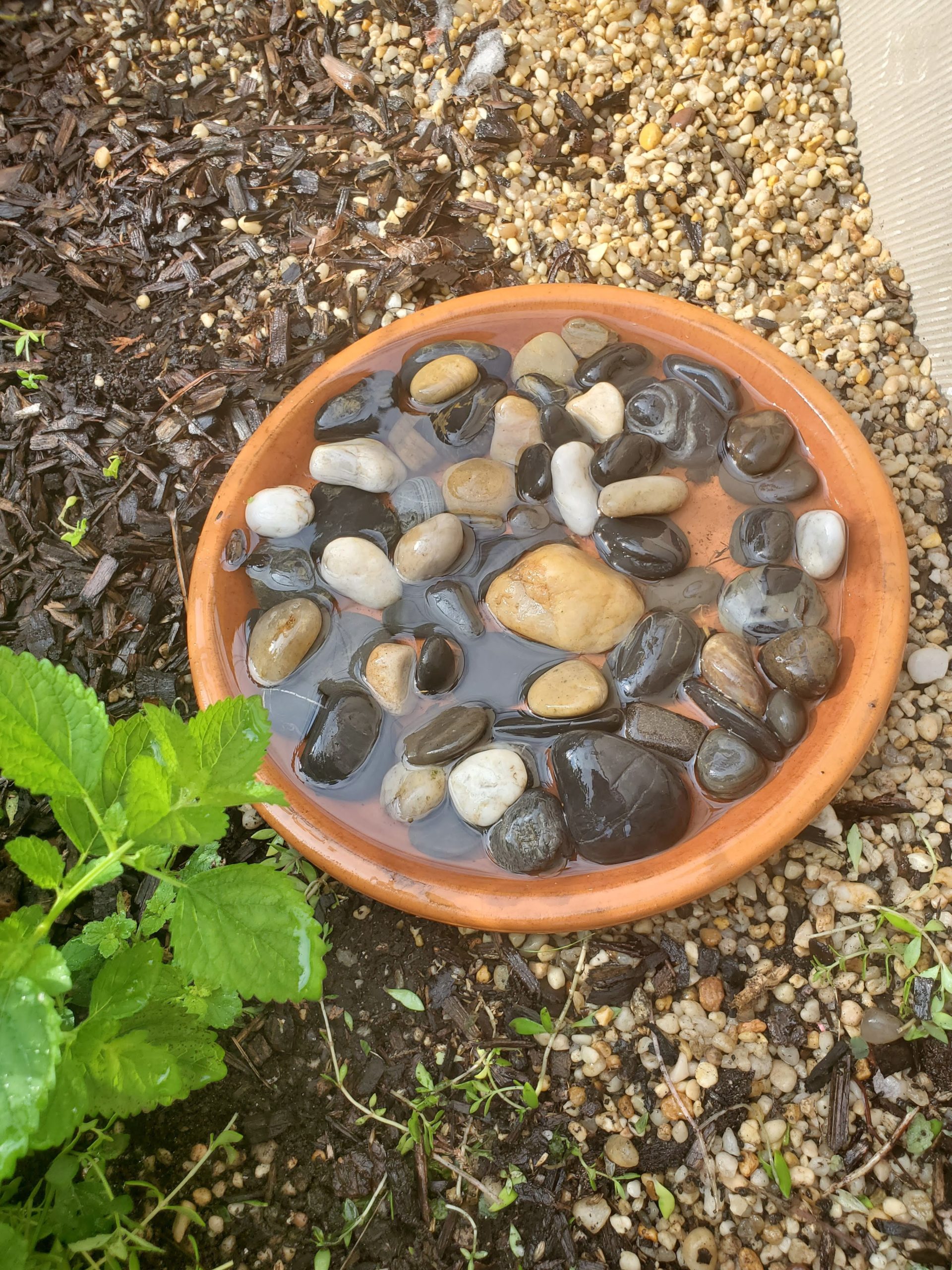
No matter how you choose to bring water to the pollinators, you should give it a blast every day with the garden hose to prevent mosquitoes from breeding in the water. If your water puddlers become dry in the hot dog days of Summer, remember to fill them with water every day. Make sure that once you begin providing water to your wildlife, to keep providing it, they are counting on you for their new-found source of water.
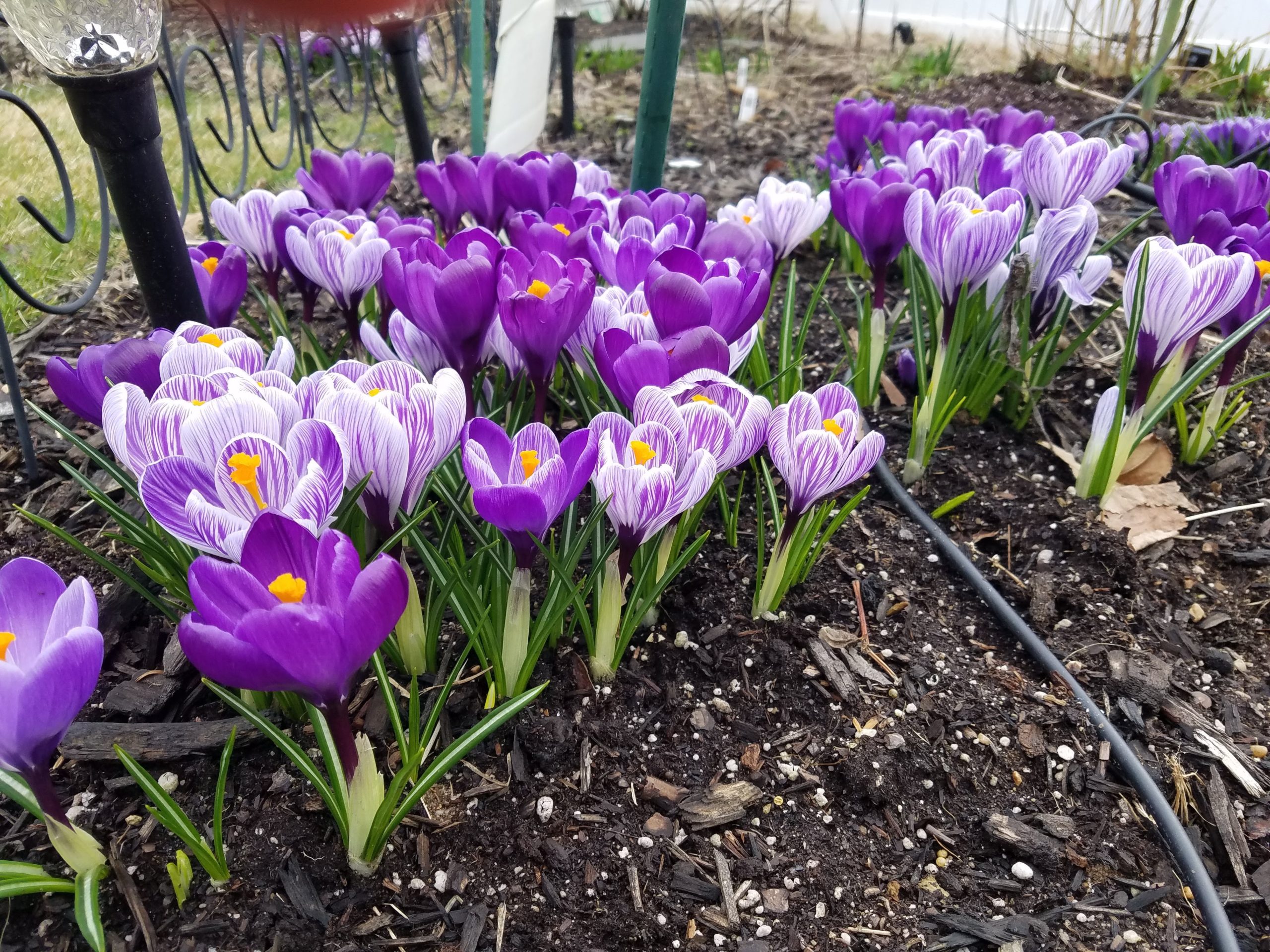
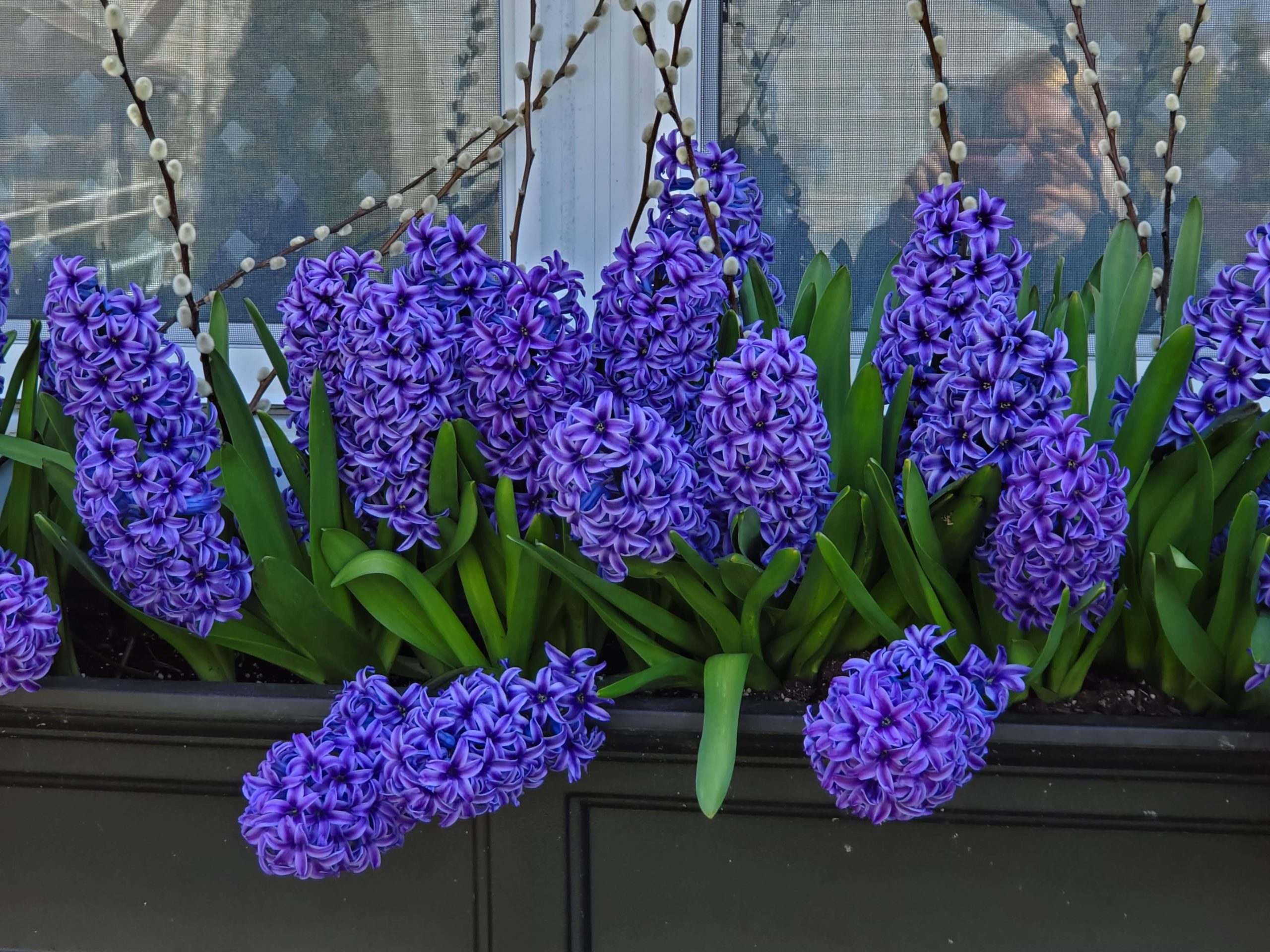
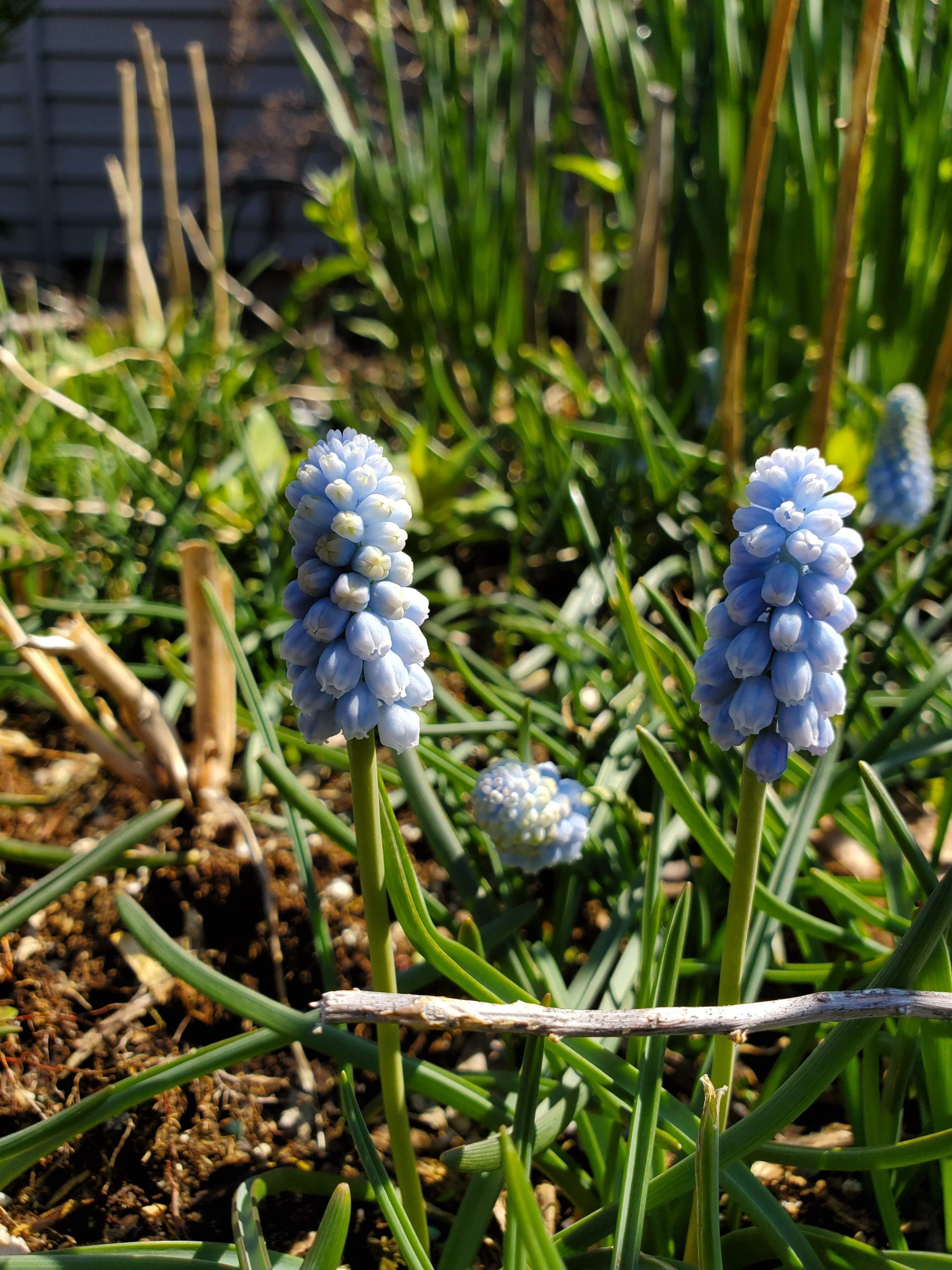
What do pollinators do for food? They forage and seek out flowers and plants that contain nectar, pollen, resins and oils. In early Spring, flowers can be scarce so plant the following Spring bulbs to attract the Mason bees to your garden early in the year.
s)
- Alliums
- Snowdrops
- Grape Hyacinth
- Hyacinth
- Anemone
- Daffodils
- Siberian Squill
- Fritillaries
- Bluebells
- Crocus (both species and Dutch varieties
|
|
|
|
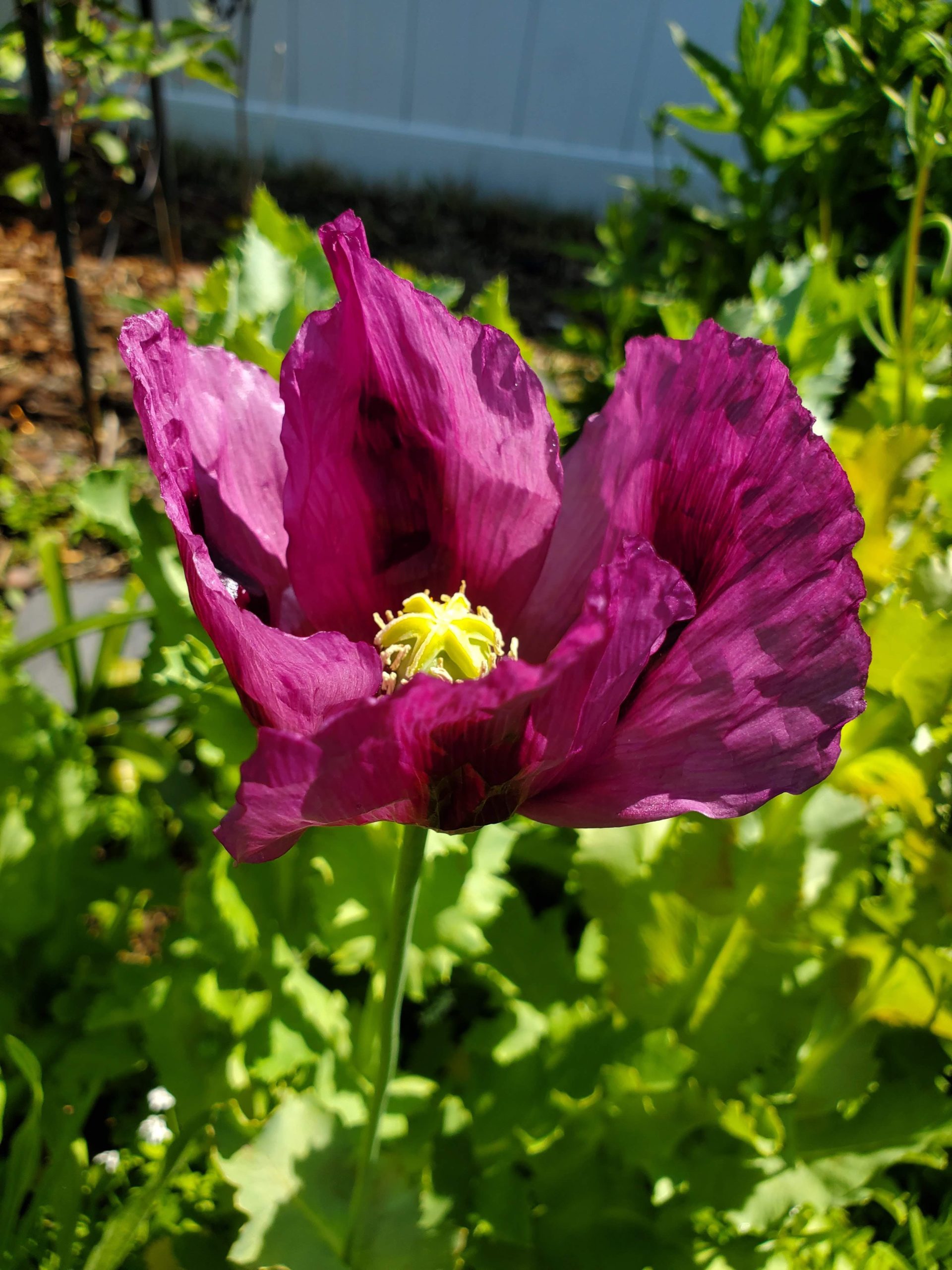
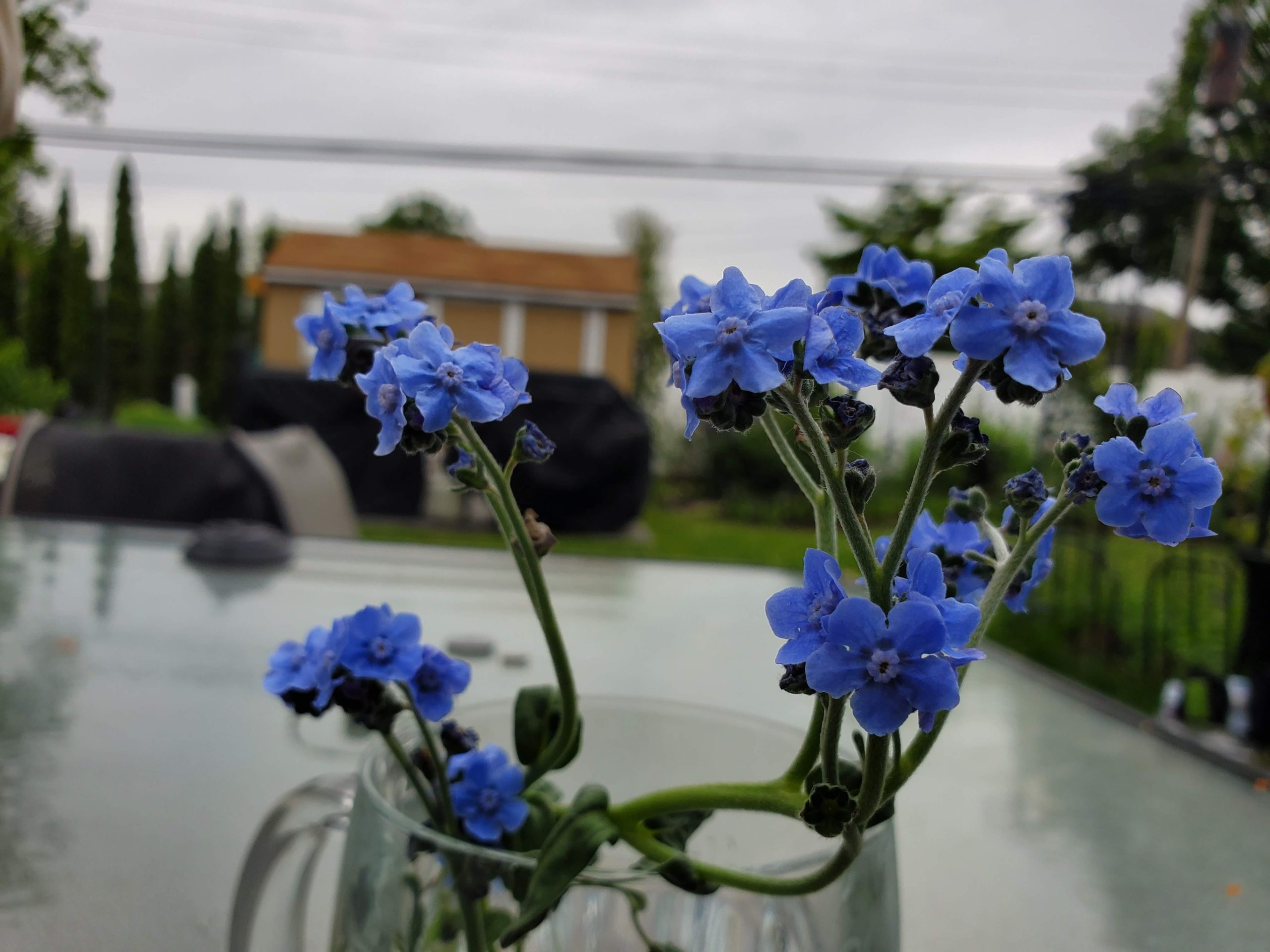
You can also grow cool spring flowering plants that will take over once the bulbs stop flowering. Some cool annuals that you can grow from seed are:
- Bachelor’s buttons
- Poppies
- Forget-Me-Nots
- Stock
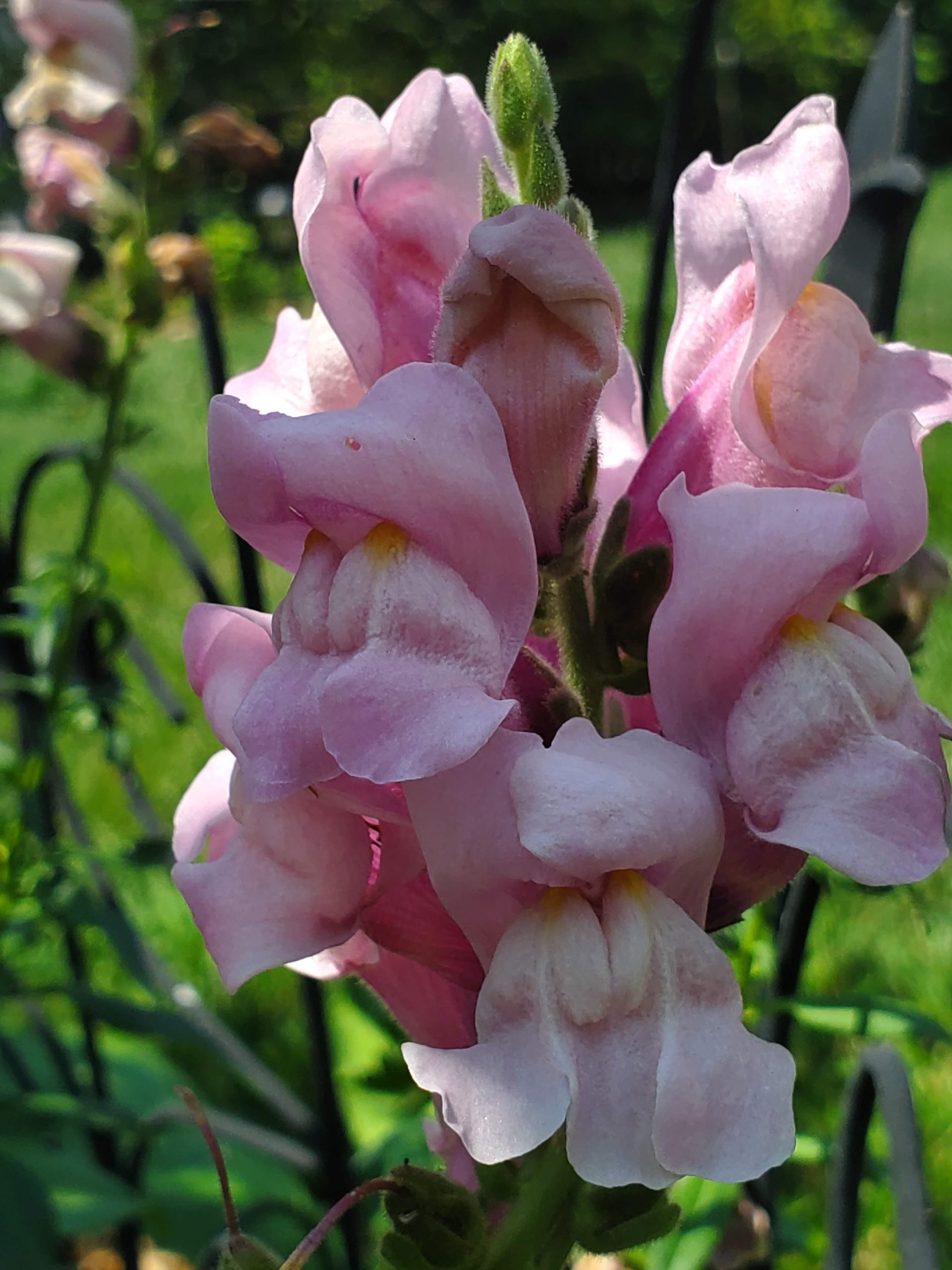
- Snapdragons
- Fava beans
- Peas
|
|
|
|
If you like perennials in you your garden, some cool spring perennials to purchase or start from seed are:
- Single petaled Roses
- Currants
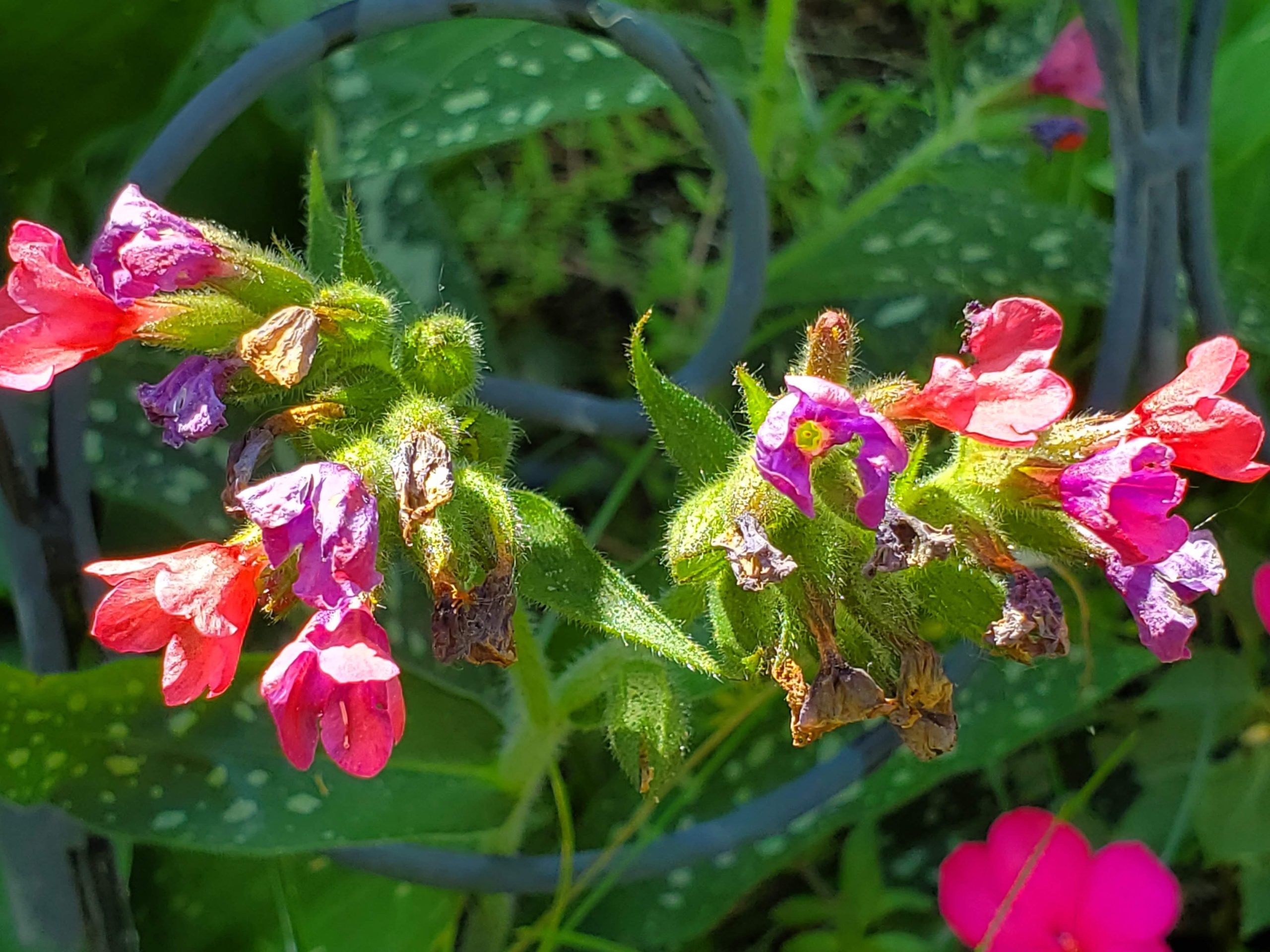
- Pulmonaria
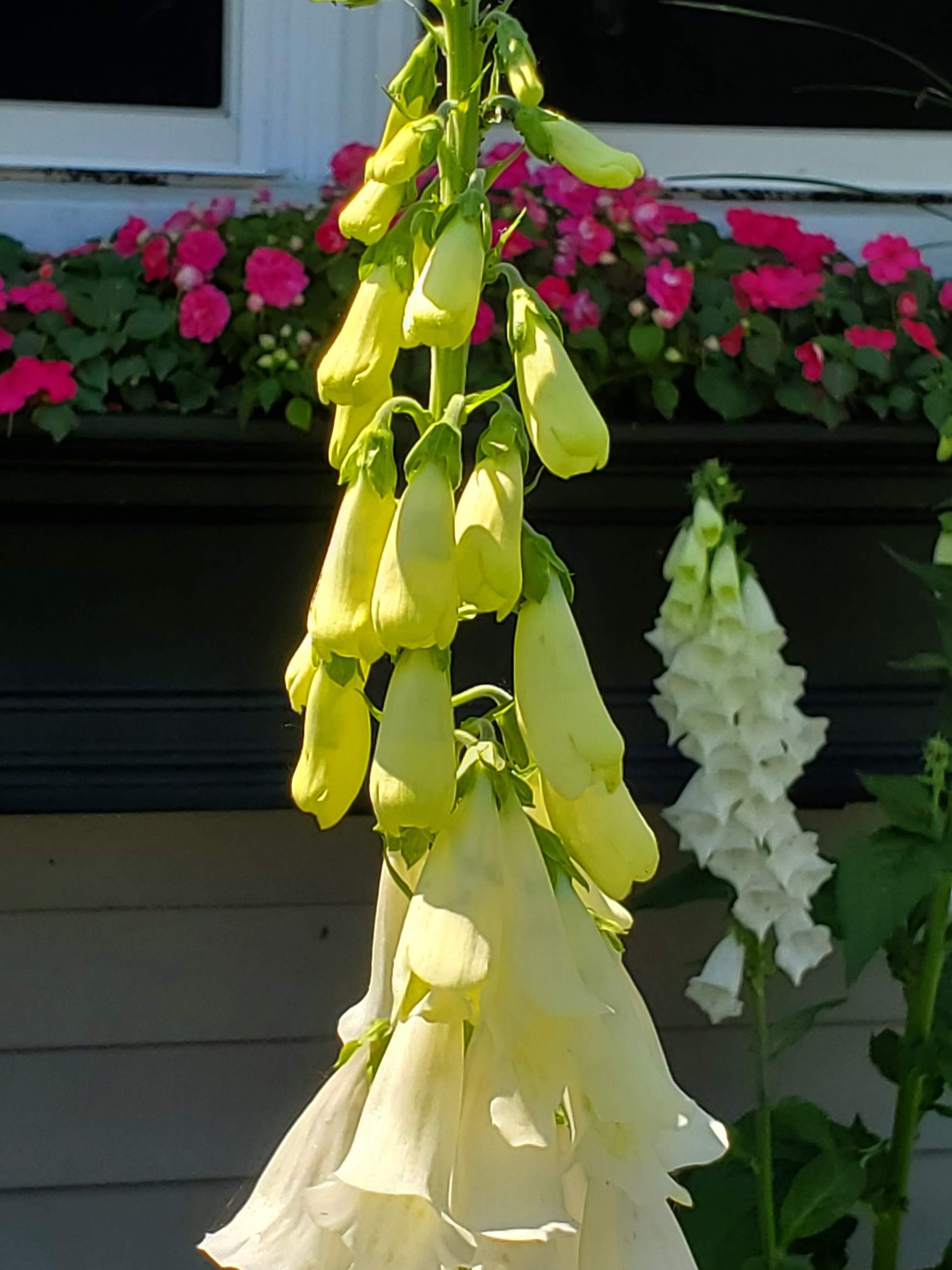
- Foxgloves
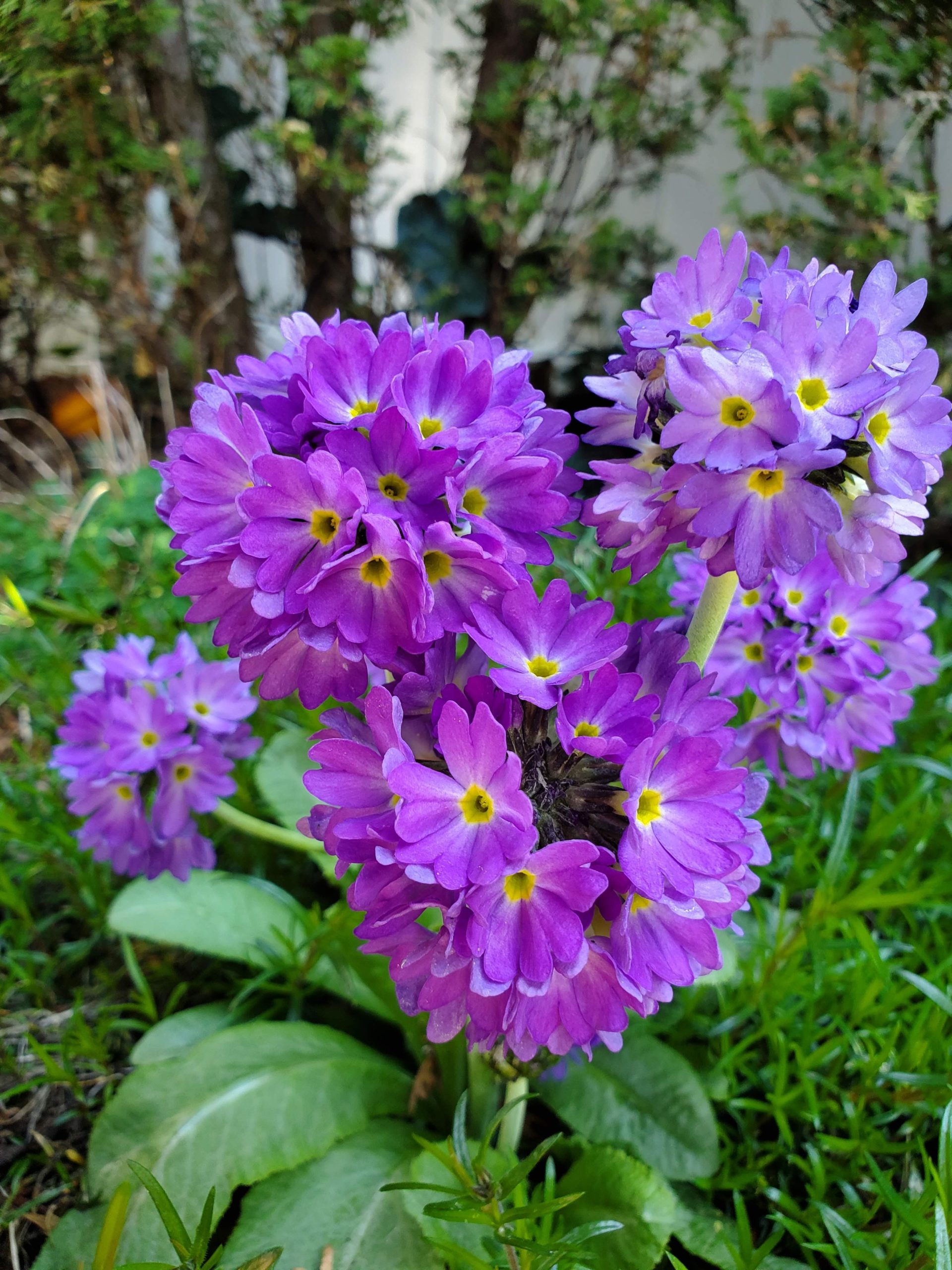
- Primroses
- Heather
- Aconite
|
|
|
|
Mason bees also look for shelter and an area to to lay their eggs. Some lay their eggs in hollow stems of plants, but we can also provide Mason bees with a human provided shelter such as a Mason bee houses. If you are handy and have the proper tools you can also make it yourself. Place your Mason bee house 6 to 7 feet off the ground beneath an eave if possible and facing East. When you place your Mason bee house facing East, it allows them to warm up more quickly in the mornings. Facing your Mason bee house East will also prevent the eggs and mason bees from overheating.
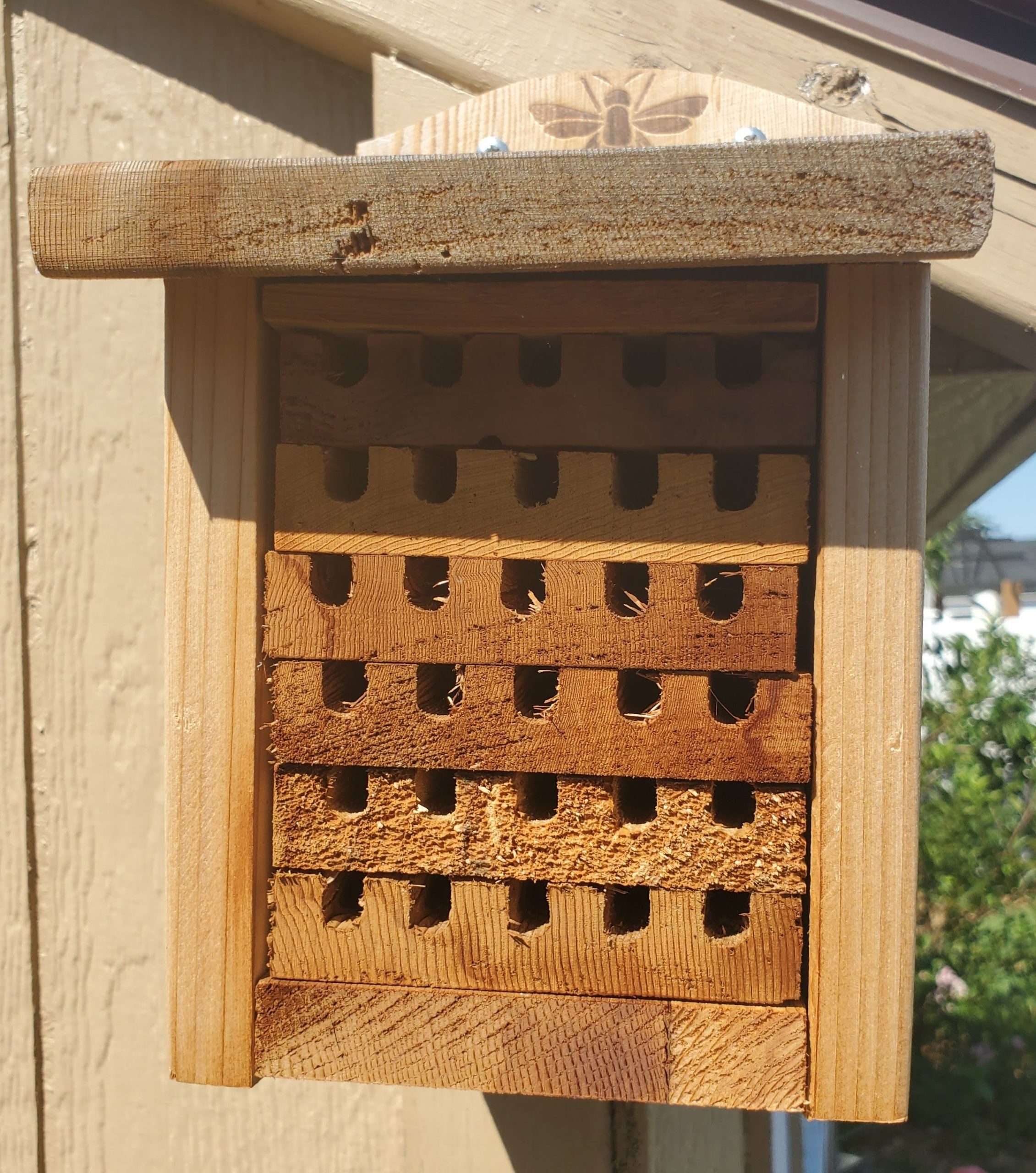
After the Queen ( all female Mason bees are Queens, they are solitary insects) has gathered enough pollen for their offspring she will start laying eggs in a hollow tube, sealing the eggs to over-winter and emerge in Spring with a bit of mud or clay. Leave a small puddle of mud in your yard for the Queen Mason bees to use. Place the mud no more than 25 feet away.
Mason bees like to forage for their food and other materials within 300 feet of their nesting site. If you provide your Mason bees with water, food, shelter and a bit of mud and you’ve put down the pesticides and herbicides you should be able attract the hardest working bees to your yard.
One thought on “Mason Bees are the Bee’s Knees”
Comments are closed.