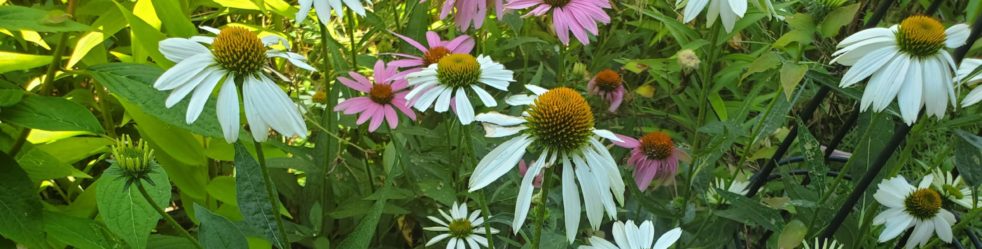
Beneficial Insects and Birds for Natural Pest Control
Ok, so you’ve put down the pesticide spray, the food your garden produces is much safer to eat, but what that eating my cabbage? What’s defoliating my tomato plants? Pests!
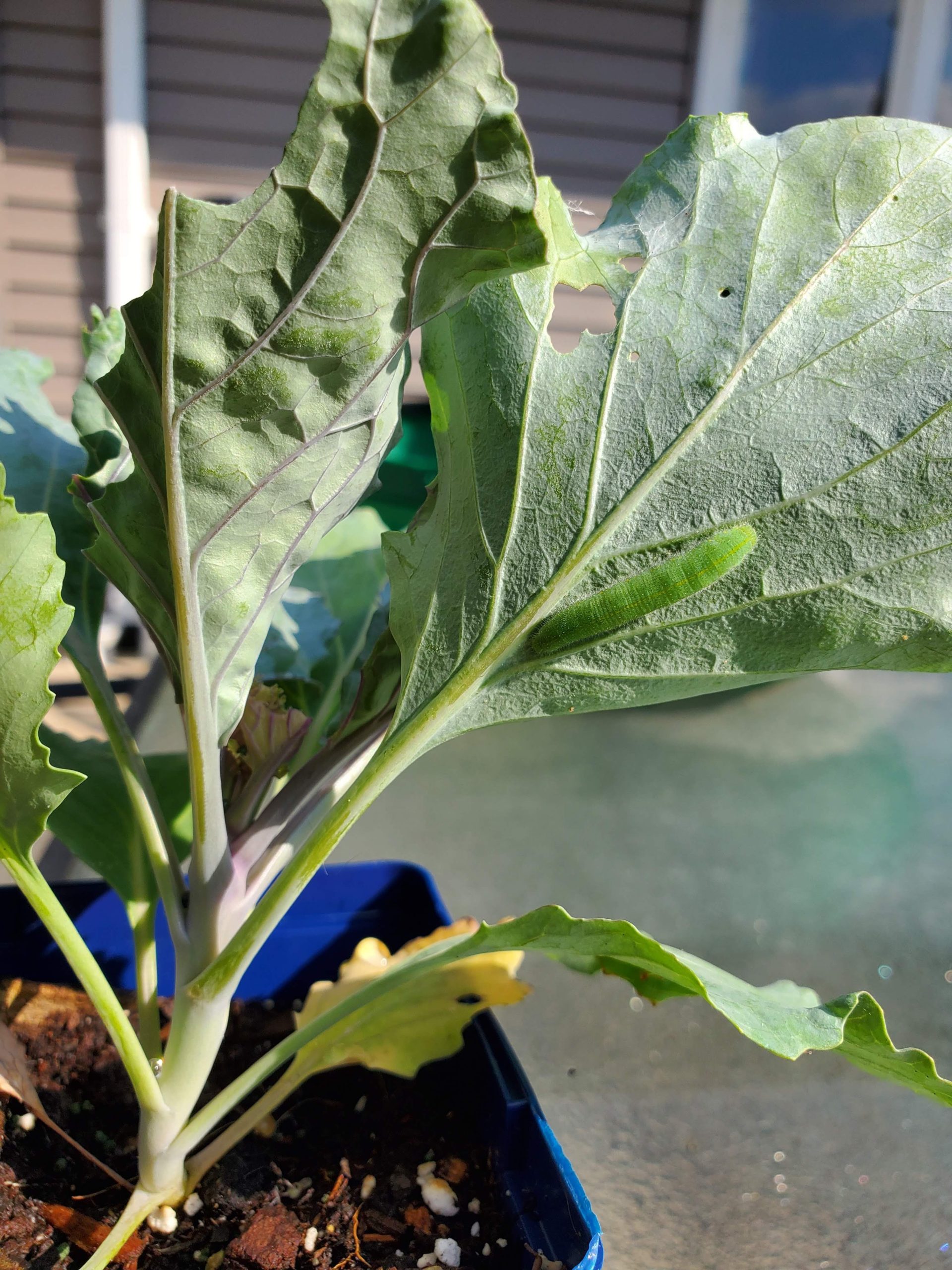
The non-native cabbage white butterflies you see flitting about your garden, sipping nectar from your flowers, well, they are also devouring your cabbages, broccoli, kale, cauliflower and anything in the Brassica family. They have even eaten my soybeans (edamame), kohlrabi and other mustard greens! How do I control them, through our resident sparrows and by squishing them ourselves.
We provide our birds with water in the form of a solar powered water fountain when it’s not freezing and feed them from late Autumn to the Spring. Since the birds have a food and fresh water source all winter long, they attract the birds which in turn stay in my garden all year round. The water fountain comes in during late Fall and from that point I offer the birds fresh water in shallow containers that can handle a hard freeze. You may also purchase a solar or electric birdbath deicer so that the birds and other wildlife can have water. Remember when you start feeding or providing water to wildlife, it is depending on you to continue to do so.
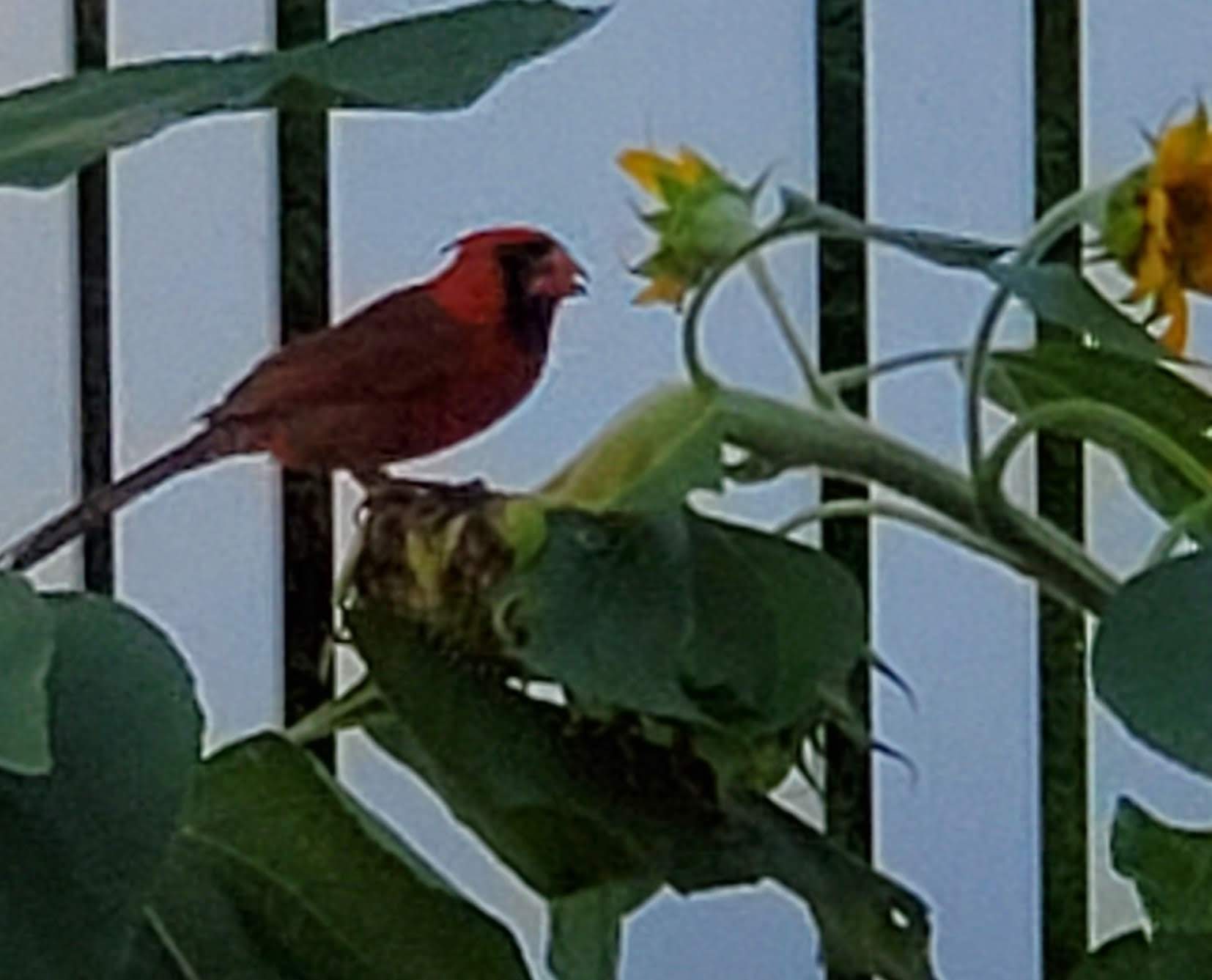
An inexpensive way to attract birds to your garden is to plant sunflowers in summer. Depending on were you live you can get cardinals, chickadees, woodpeckers and others to flock to the garden.
Another way to bring in natural pest control into your garden, is to invite the beneficial predatory insects. Yes, those creepy crawly’s (and some cute ones too!) will devour pests. The vast majority of bugs will not harm your plants, but there is that small percentage of insects that do defoliate your crops, flowers, shurbs and trees. So why not employ an army of beneficial insects to wage war on the pests in your garden?
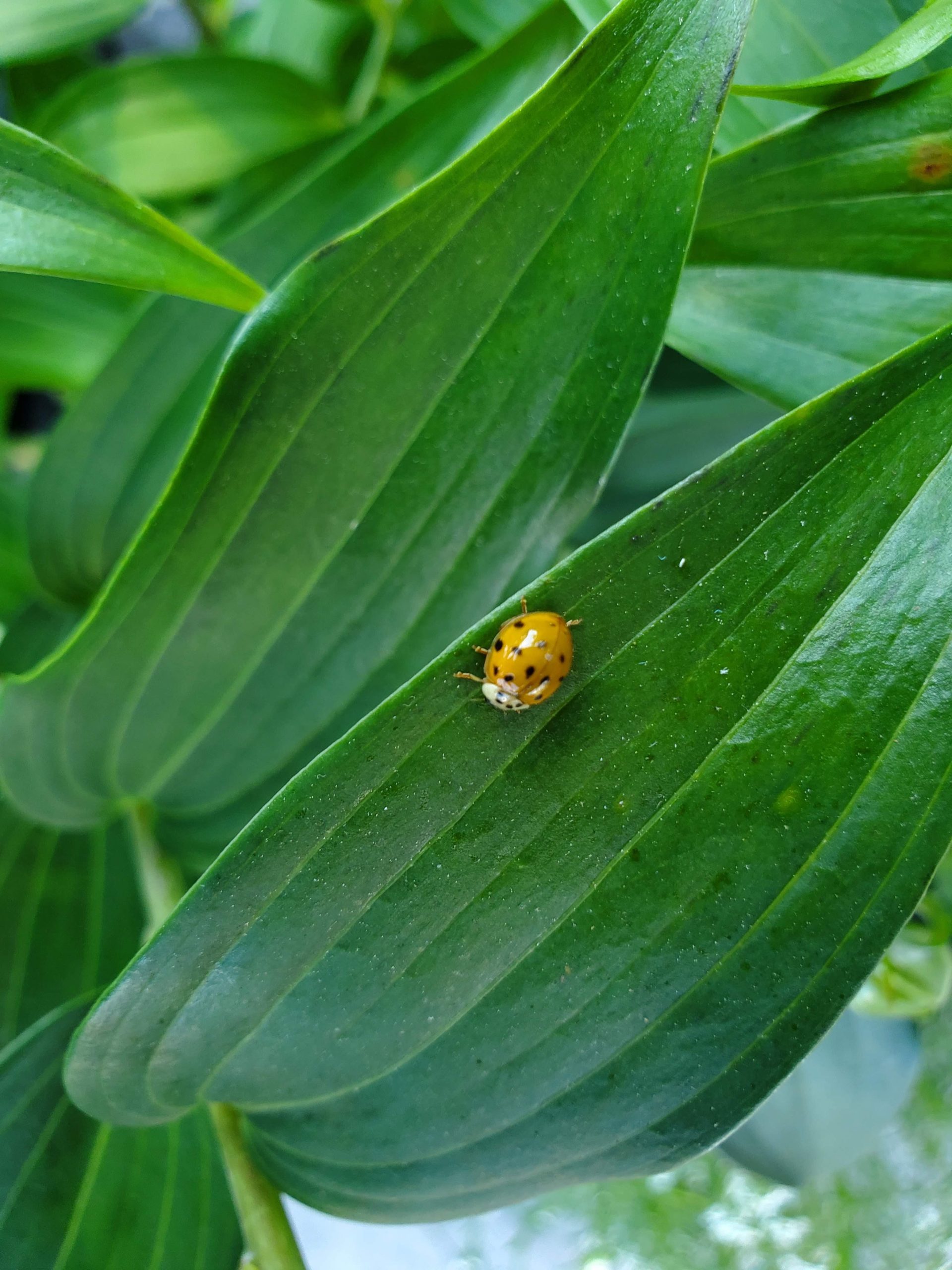
Everyone’s favorite insect, (it is very cute) is the ladybug. Ladybugs are also known as lady beetles and ladybirds. Checking out that plump, round body, it’s hard to believe that they eat up to 25 aphids a day. Their larva are veracious, consuming up to 250 a day. Although I don’t recommend releasing non-native Asian ladybug species, you can purchase native species, though I don’t recommend them much either because ladybugs are not likely to stay. Ladybugs quickly move on when they finish off their food source. One way to keep then around a little longer is to wet the foliage with water as they will be thirsty upon arrival to your house.
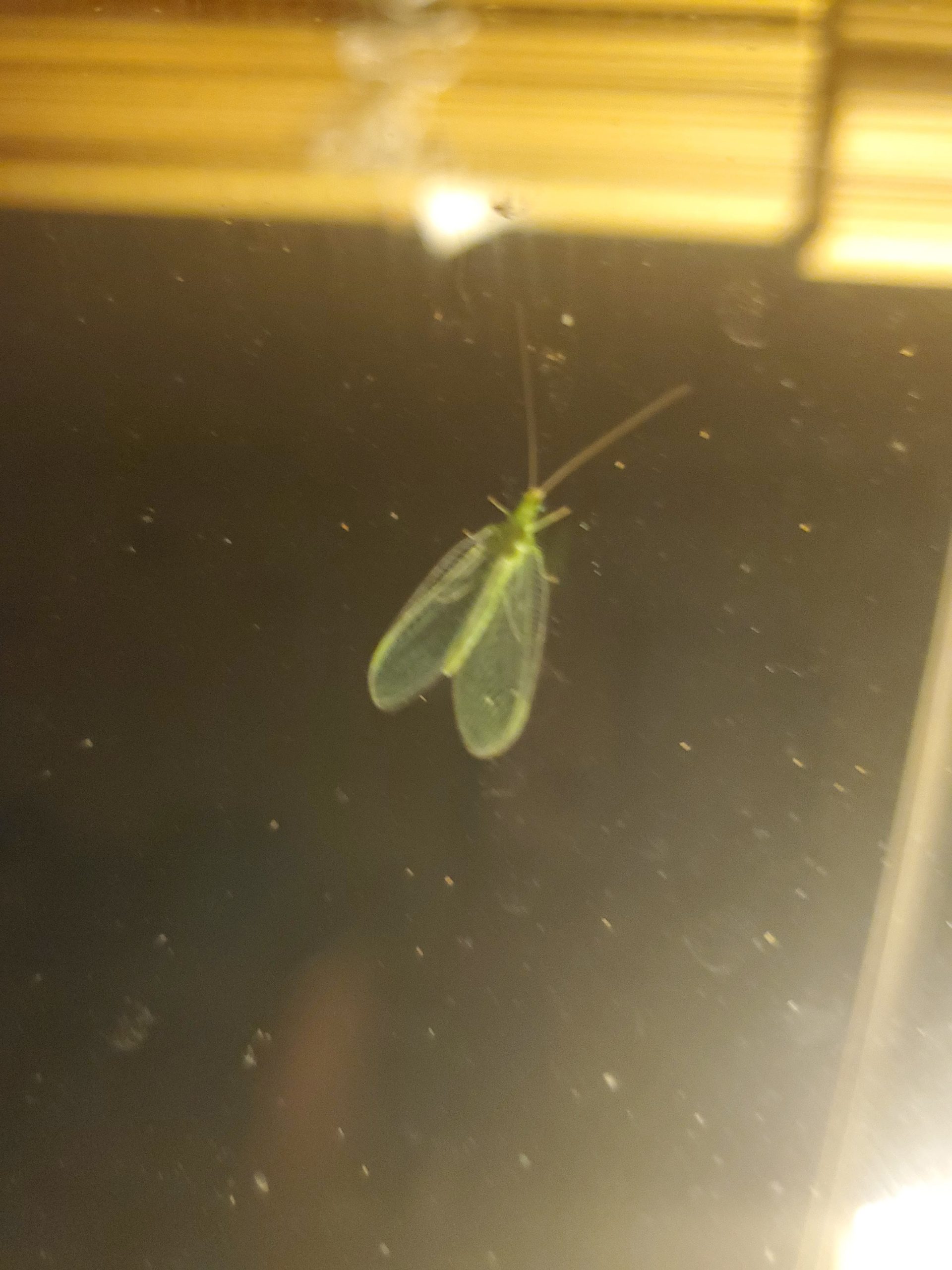
What’s a better alternative to ladybugs? Green lacewings. The adult lacewing is light green with translucent wings with large iridescent eyes. they are usually under an inch in size. Lacewing larva are about 1/2 inch long, brown and cream colored with sickle-shaped mandibles and can eat about 100 aphids a day. Some flowers to plant to that attract lacewings into your yard are; Cosmos, Ammi, Marguerite daisies and Yarrow. Yarrow is a flower that attracts loads of beneficials to your garden, so be sure to include it in your flower beds. Lacewings are very aggressive and will turn to cannibalism if there is not enough prey available. These can be purchased off the internet.
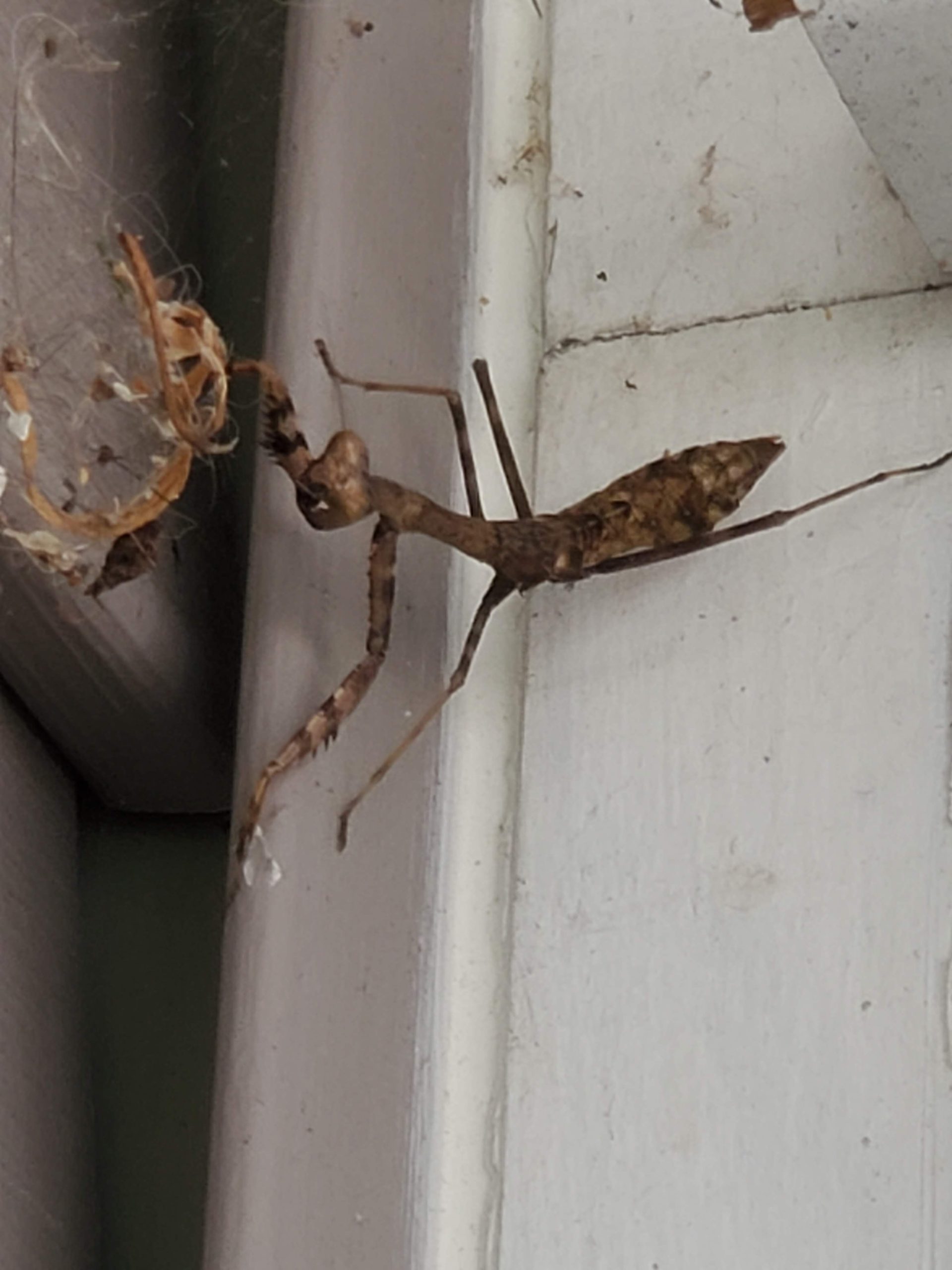
Another favorite predatory insect is the mantises. The praying mantis’ can get up to 5 inches long, they are slender either green or brown with huge front legs with which to grab their prey with. Although mantis’ have wings they are mainly ambush predators laying in wait for an insect to pass by. Praying mantis’ will eat anything, pest and beneficials alike. If there is not enough prey for them to eat, they will cannibalize each other. To attract praying mantis’ plant raspberries, blackberries, Joe Pye weed, goldenrod as well as ornamental grasses. When purchasing online, please be sure that the praying mantis’ egg cases, or ootheca are responsibly sourced.
Parasitic wasps are also beneficial insects in the garden. These are very small insects that lay their eggs on, in or near it’s host. The parasitic wasps then consume their victim from the inside out. Parasitic wasps are non-stinging, instead of having a stinger, the females have an ovipositor to lay their eggs. After the larva consume its host the adults feed on pollen and nectar. The preferred host plants for them are dill, fennel, thyme, alliums, alyssum, yarrow, cosmos, lemon balm, statice and zinnias.
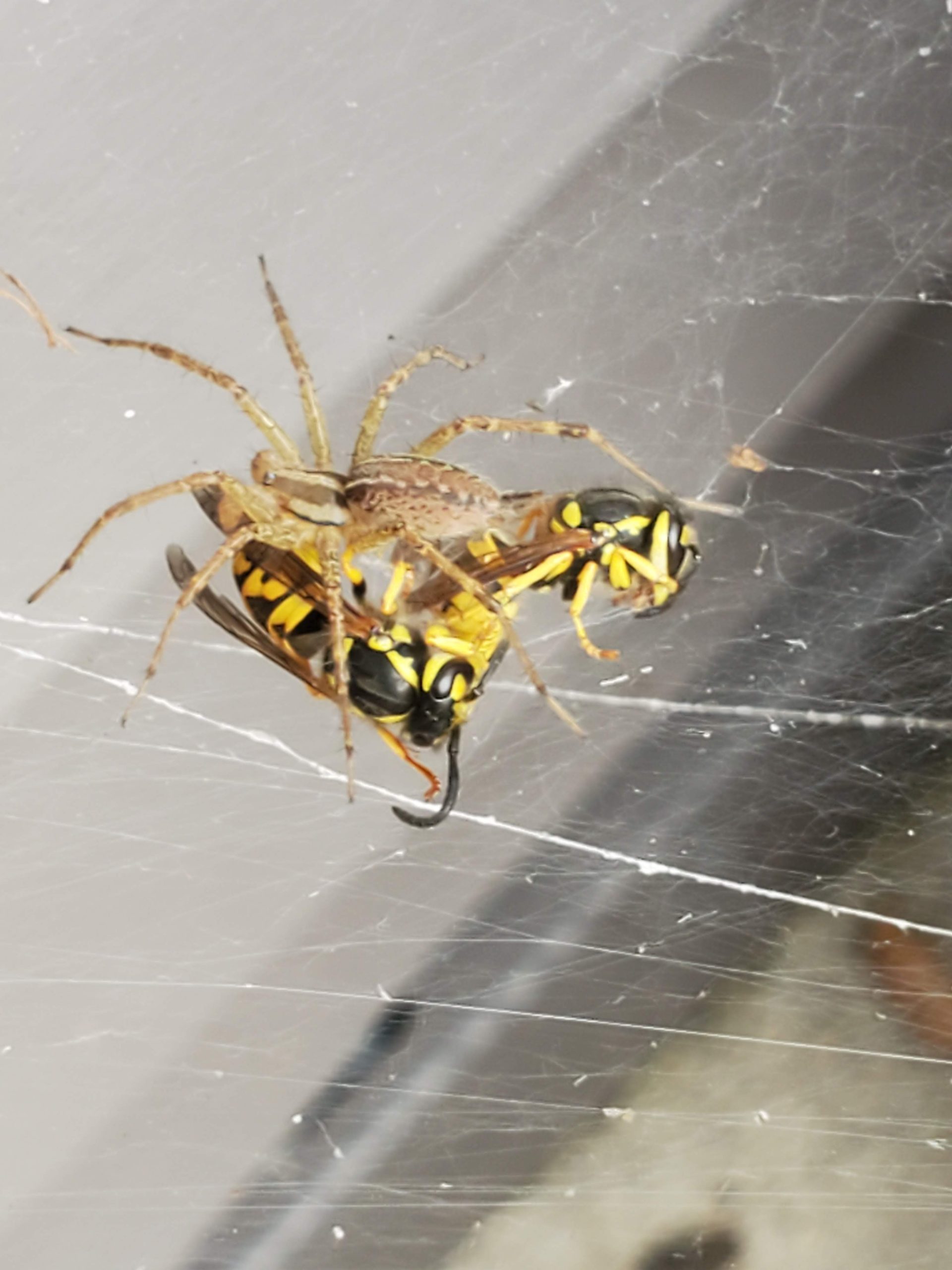
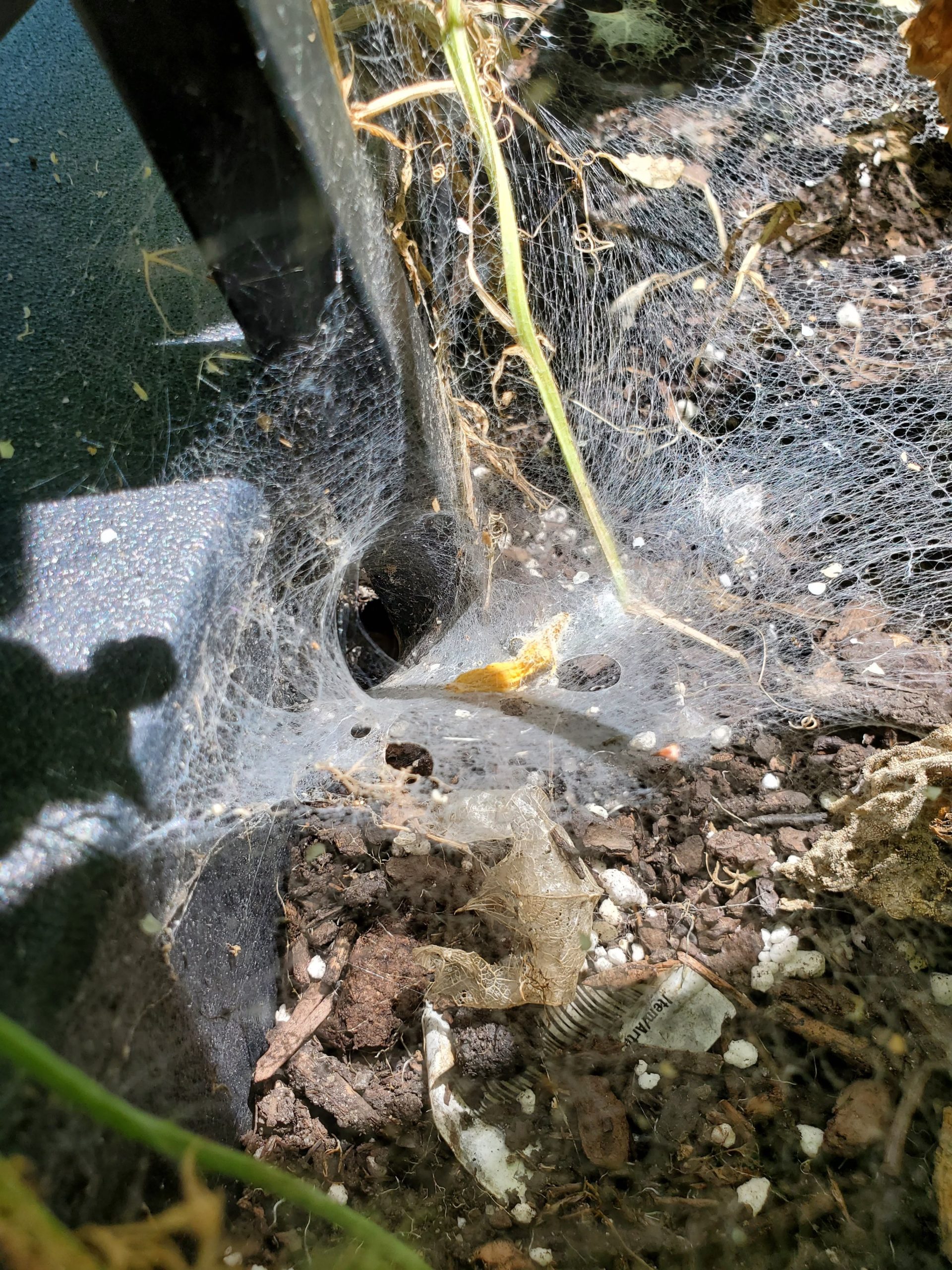
Spiders! There have tens of thousands of species that have been identified. Spiders are predators and eat both pests and beneficials. Several pests that they consume are: aphids, cutworms, beetles and tobacco horn worms. Some spiders also consume pollen and nectar. Spiders like a safe or sheltered spot in which to set up shop. Some spiders weave giant webs while others live on the ground. They like habitat that has many various flowering plants.